
Welcome to our guide for easy-to-care for houseplants! Whether you’re a seasoned plant enthusiast or just starting your indoor plant journey, this page is here to help you find the perfect plants that thrive with minimal effort.
1. Peperomia
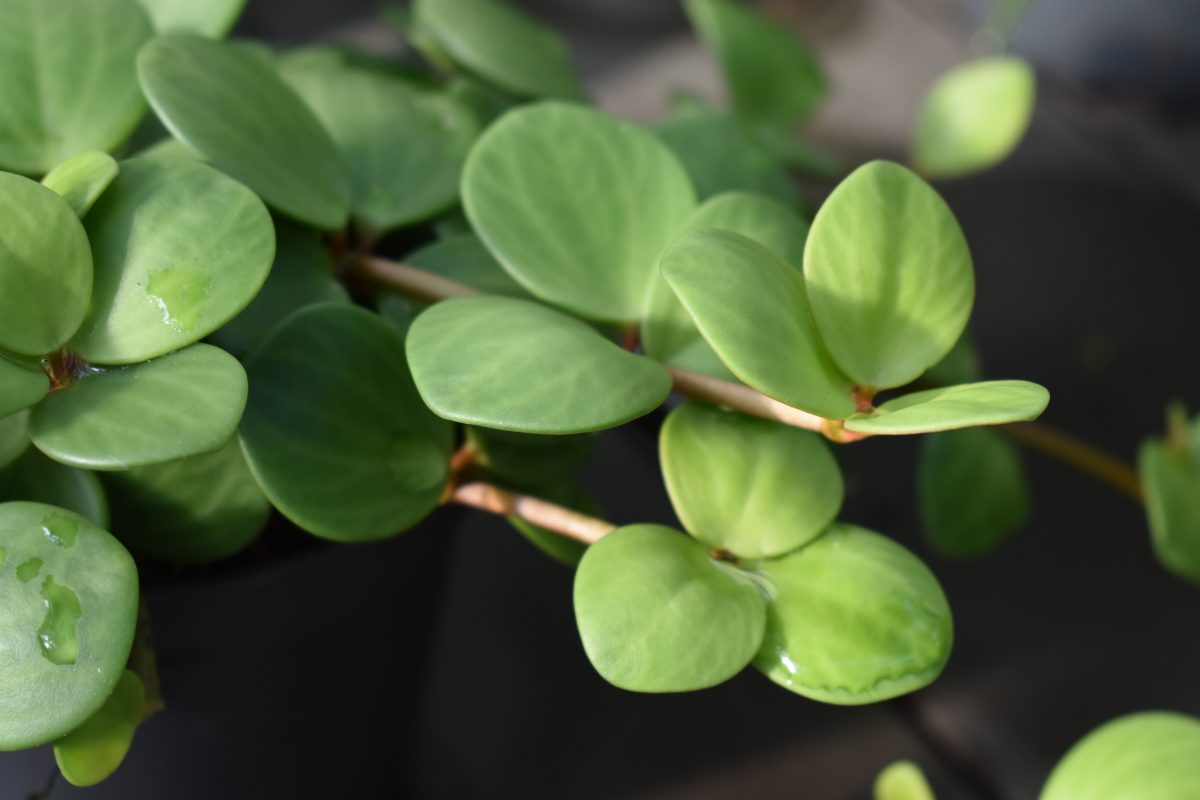
Peperomia have many different varieties and are characterized by their thick succulent like leaves. There are many varieties of peperomia such as ‘String of Turtles’, ‘Happy Bean’, ‘Raindrop’, and ‘Tricolor’. These are a great beginner plant as they are low maintenance.
Light: Peperomia prefer growing in moderate, indirect light. These plants grow well in North or East facing windows. Avoid prolonged direct sun exposure, as it can burn the leaves.
Water: Allow about 50-75% of the soil to dry out in between waterings, and water thoroughly when you do. It prefers to be underwatered than overwatered. If they are being over watered the leaves will start curling and yellowing.
Soil: Plant in a well-draining potting mix. Make sure your pot has drainage holes to avoid root rot.
2. Snake plant

Snake plants are hardy, low-maintenance plants. They can tolerate a range of conditions and are drought tolerant making them perfect for beginners that may forget about their plants for periods of time.
Light: Snake plants will thrive in a variety of light levels, making them a very adaptable plant. These plants will grow well in low to bright light and are often used in lower light areas such as an office or corner.
Water: These are very drought tolerant plants and should be allowed to dry out in between waterings. If you notice the soil on the edges of the pot pulling away, and the leaves wrinkling, it is too dry. When you do water, be sure to give a through drink of water to saturate the whole root system. Signs of underwatering include shriveled or wrinkled leaves whereas signs of overwatering include yellowing leaves, soft or mushy spots or a rotten smell in the soil, which can indicate root rot.
Soil: Plant in a pot with drainage holes to allow excess water to escape and use a well-draining potting mix or a sandy/gritty soil like a cactus or succulent mix. These plants are slow growing, so repotting frequently is not necessary. Fertilize around every 6-8 weeks.
3. zz plant
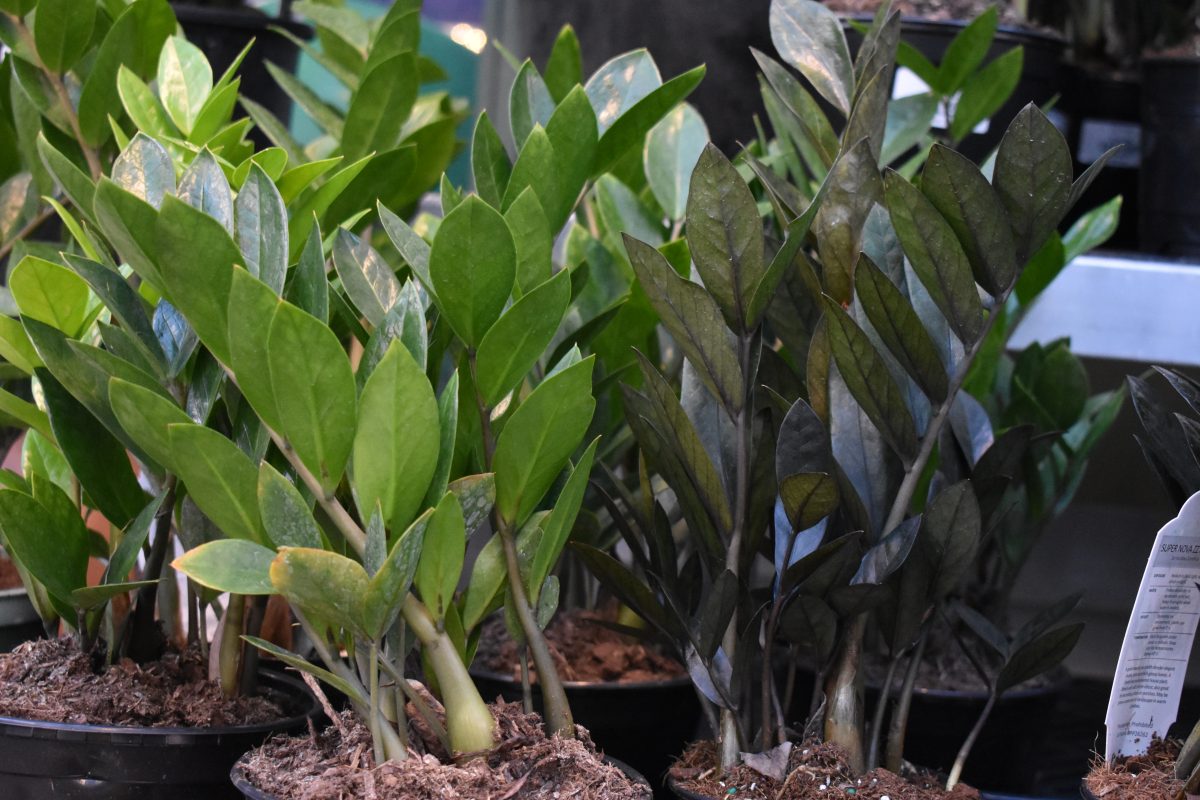
ZZ Plants are a great beginner plant, known for being difficult to kill. They will tolerate many lighting conditions and don’t want to be watered often.
Light: ZZ plants tolerate low light well, making them one of the best options for truly low light areas, like offices, corners or rooms with indirect light.
Water: These plants are very drought tolerant and should completely dry out in between waterings. ZZ plants have tubers which act as storage organs for water and nutrients. They help assist through periods of drought, allowing the ZZ plant to go long periods without water. Dry or cracked soil, especially if it is pulling away from the pot and shriveled or wrinkled stems can indicate that it is being underwatered. Signs of over watering include soft/mush leaves, brown or black spots on the leaves, foul odor from the soil, (root rotting) wilting despite wet soil, and waterlogged soil. Yellowing or browning leaves can indicate both underwatering or overwatering.
Soil: Use a well-draining potting soil. These are slow growing plants; it is not necessary to repot often. When you repot, do so in a slightly larger pot, about 1-2″ larger in diameter.
4. Hoya
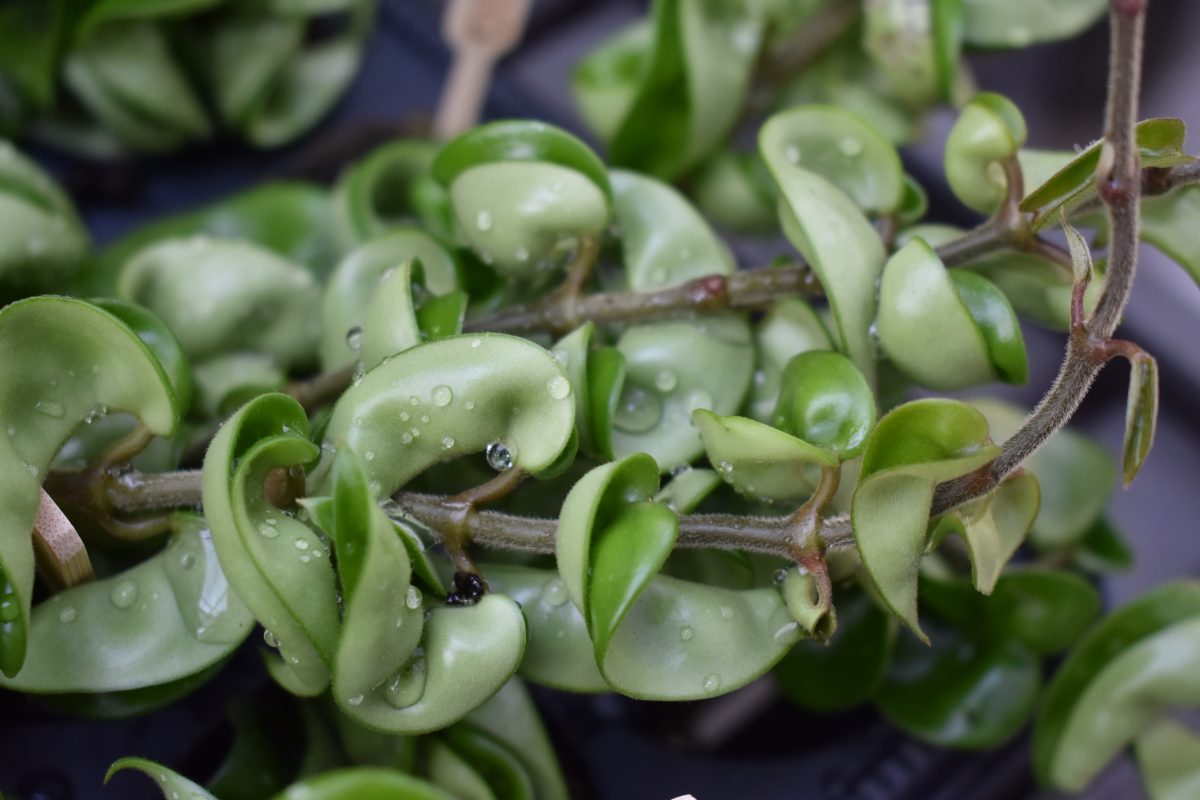
There are many different and interesting varieties of Hoya such as ‘Hindu Rope’ (pictured above) ‘Heart’, ‘Wayetii, ‘Sea Stones’ and more! Hoyas will flower, producing clusters of waxy star-shaped flowers. Many of which have fragrances such as chocolate, citrus, or vanilla.
Light: Hoya plants thrive in bright, indirect sunlight. Ideally, place near a window with filtered sunlight, avoiding prolonged direct sun exposure, which can scorch their leaves.
Water: Check that their soil has dried out before watering. Overwatering can lead to root rot. When you water your hoya use room temperature water to avoid shocking its roots.
Soil: Well-draining soil.
Temperature: Hoyas prefer warm, humid environments. Typical house temperatures are fine, but you may want to consider having a humidifier nearby or keeping it in a sunny bathroom for the humidity level.
5.jade plant
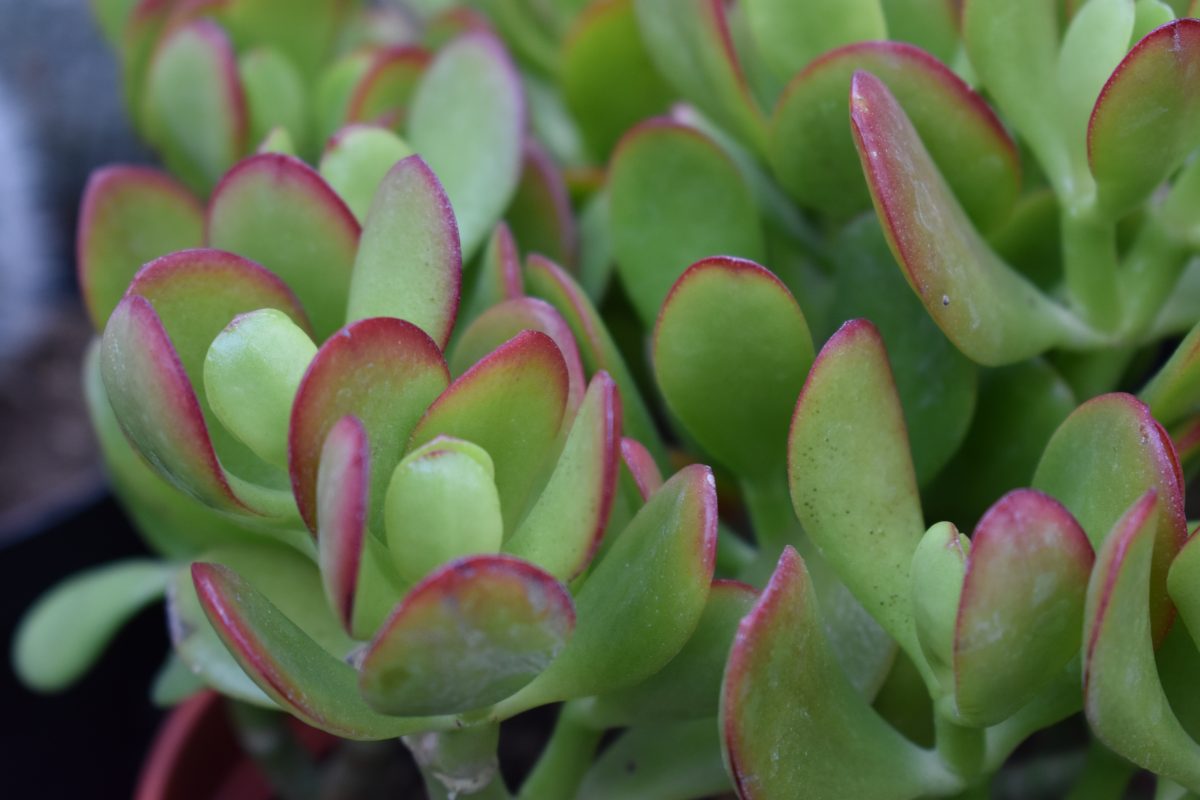
Jade plants are an easy to care for and resilient plant perfect for beginners. With their vibrant, fleshy green leaves and the pink edging, this plant is a great eye catcher for your home.
Light: Jade plants prefer plenty of bright, indirect light. East, South or West facing windows are good options. A few hours of direct sun is okay. Exposure to sunlight helps them grow stronger, fuller, and can even produce a “sun stressed” look, which is characterized by red colored edges on the leaves. If your Jade plant is wanting more light, it will start stretching towards the light looking leggy as it grows instead of growing fuller.
Water: Water your Jade only when the soil has dried out. Avoid letting the soil get so dry, to the point where the leaves begin to wrinkle and curl. When watering, be sure to give a thorough drink to saturate the soil and allow it to dry out before watering again. It is recommended to use a pot with at least one drainage hole to allow excess water to escape and prevent overwatering.
Soil: Plant your Jade plant in well-draining soil. We recommend a succulent potting mix.
6. Pothos

Pothos are an easy to care for, fast growing plants that are gratifying for beginners to grow. With their vining habit they make great hanging basket plants or will happily be trained to climb. Pothos will make your home feel like the tropical jungle you’ve always wanted!
Light: Prefers moderate, bright indirect light but can successfully grow in lower light levels. If your Pothos isn’t getting enough sun, the plant may stretch, and it may lose some of its variegation, resulting in more of a solid green color. If the leaves start looking pale, it is receiving too much direct light.
Water: Allow the top few inches of soil to dry out in between waterings. When watering, water completely until water comes out the bottom of the pot, then remove the excess water so that the plant isn’t left sitting in water.
Soil & Fertilizer: Plant in a well-draining potting mix. Make sure your pot has drainage holes to avoid root rot. Pothos don’t need frequent fertilizing but occasionally during the spring and summer can be beneficial. Reduce fertilizing in the winter, to once a month or so. Watering will likely need to be reduced as well.
Temperature: Pothos does well in the average home temperature and humidity.
7. Spider plant

Spider plants are adaptable, easy to grow and fast growing! When they are happy, they produce plantlets (baby spider plants) at the end of their leaves, which can be planted to create another spider plant!
Light: Spider plants prefer bright, indirect light. Avoid prolonged direct sun.
Water: Water when the top few inches of soil are dry. At times, these plants can be sensitive to water quality, so if you have a lot of chlorine or fluoride in your tap water, distilled or filtered water may be recommended.
Soil & Fertilizer: Plant in an all-purpose, well-draining soil. Repot every few years when the spider plant has outgrown its pot. Fertilize once a month.
Temperature: Spider plants thrive in temperatures between 60-75 degrees, and prefer being kept away from cold, draft areas as well as heating vents as it is sensitive to extreme temperature fluctuations.
8. goldfish plant
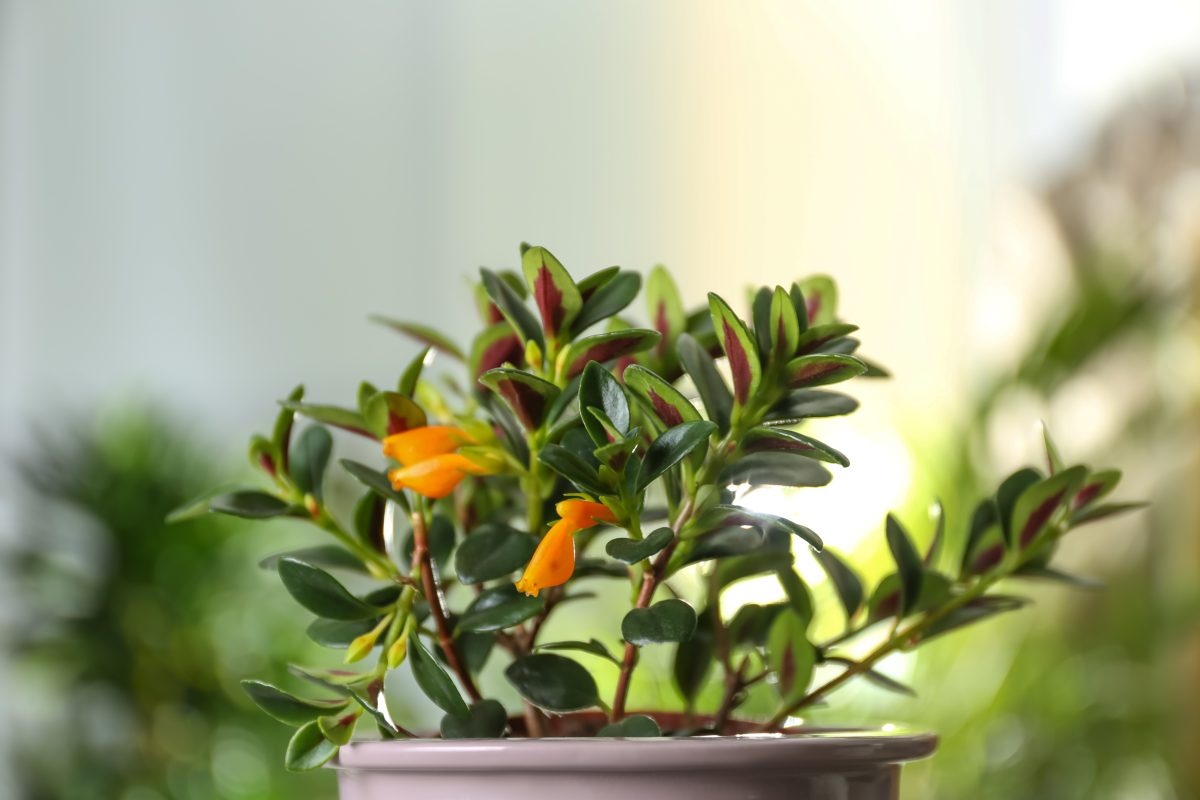
Goldfish plants are fun and interesting plants with little orange flowers that look a bit like goldfish, giving the plant its name. These plants are low maintenance making them great plants for beginners.
Light: Goldfish plants prefer lots of bright light. They do well in east facing windows.
Water: Goldfish plants prefer to have their soil moist. Don’t allow your goldfish plant to completely dry out but don’t water too much that the soil is soggy. Find a nice middle point.
Soil & Fertilizer: Plant in a well-draining potting mix. Make sure your pot has drainage holes to avoid root rot. Fertilizing your Goldfish plant weekly during the spring and summer can help encourage your plants blooms.
9. monstera
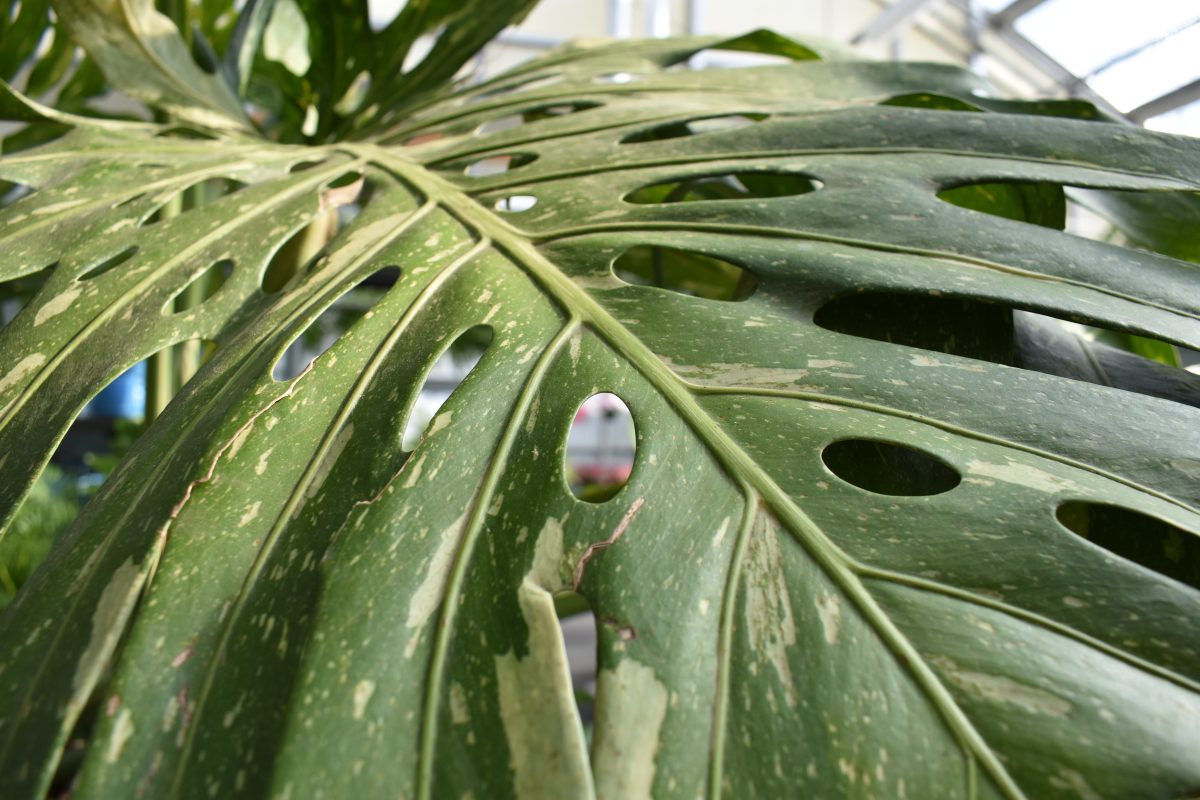
Monstera are stunning, classic houseplants that are surprisingly easy to care for and adaptable. These are also fast-growing plants making them instantly gratifying for beginners.
Light: Monstera need lots of bright, indirect sunlight. Avoid direct sunlight as it may cause the leaves to burn.
Water: Water once the first inch or two of soil are dry, then water thoroughly until the water runs out the bottom. Monstera prefer to dry out a bit between waterings.
Soil: Use a well-draining potting mix or create a “chunky” potting mix. Combine equal parts potting mix, perlite and orchid bark.
Temperature: Monstera plants prefer high humidity, so it is a good idea to have a humidifier nearby. They prefer to stay between 65-85 degrees, any colder and they may stop growing.
10. african violets

African Violets are beautiful plants that can add a fun burst of color to any living space! These are thought to be difficult to care for houseplants but with the right tools can be great for beginners. With proper care, African Violets can provide you with gorgeous blooms year-round!
Light: African Violets grow best in moderate-bright, indirect light. Avoid any prolonged direct sun, a north or east window is ideal.
Water: Keep the soil slightly moist, allowing the top layer of soil to dry out in between waterings. We recommend bottom-watering your violets or using a self-watering pot. Be sure to use room-temperature water, as violets are sensitive to cold.
Soil: Use a well-draining, light potting mix.