
Looking for plants that will fit your home? Here is Longfellow’s list of apartment plants that will stay small or grow slow, making them perfect additions to small spaces!


air plants

Air Plants are a wonderful and unique plant that does not need soil to grow. You can style these around your space to add green to places you typically couldn’t place plants.
Light: Air Plants prefer bright, indirect light. Place near a window with filtered light or in a well-lit room.
Water: Soak or mist regularly – air plants absorb moisture through their leaves so it’s important to water them properly. Soak once a week by submerging the air plant in lukewarm water for about 20 minutes. Gently shake off excess water and let them dry upside down to prevent water from collecting at the base and causing rot. If you live in a dry environment, mist your plants every 2-3 days to maintain humidity. Good air flow is key so be sure to keep your air plant in an area that has good ventilation.
Fertilizer: Every 4-6 weeks or so during the spring and summer months, fertilize your air plant with a diluted, water-soluble food.
Placement: Air plants are not suited for closed spaces, such as closed terrariums.
snake plants

Sansevieria, or Snake plants grow tall and narrow making them a great choice for small spaces. They are known to purify the air and can tolerate a wide range of light levels.
Light: Snake plants will thrive in a variety of light levels, making them a very adaptable plant. These plants will grow well in low to bright light and are often used in lower light areas such as an office or corner.
Water: These are very drought tolerant plants and should be allowed to dry out in between waterings. If you notice the soil on the edges of the pot pulling away, and the leaves wrinkling, it is too dry. When you do water, be sure to give a through drink of water to saturate the whole root system. Signs of underwatering include shriveled or wrinkled leaves whereas signs of overwatering include yellowing leaves, soft or mushy spots or a rotten smell in the soil, which can indicate root rot.
Soil: Plant in a pot with drainage holes to allow excess water to escape and use a well-draining potting mix or a sandy/gritty soil like a cactus or succulent mix. These plants are slow growing, so repotting frequently is not necessary. Fertilize around every 6-8 weeks.
Ponytail Palm
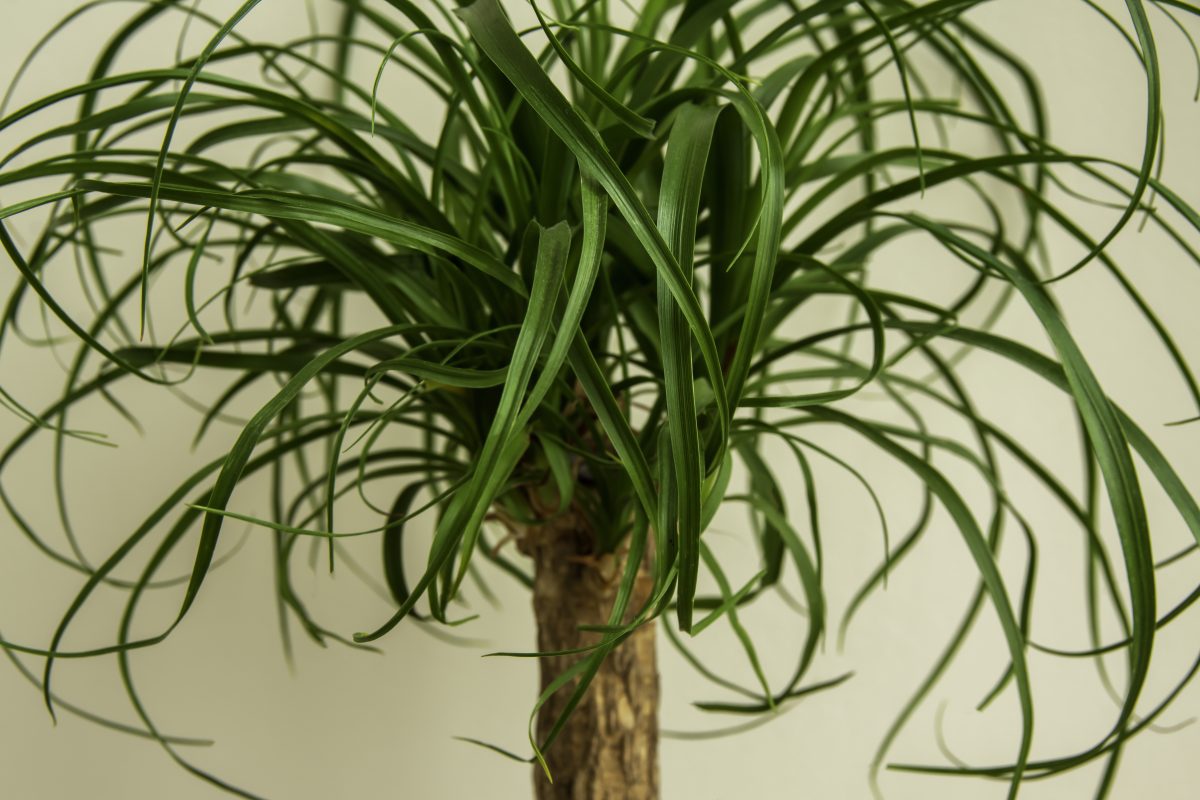
Ponytail Palms are a great way to bring the tropical palm feel inside your house. Indoors, the palms will eventually grow to be about 6ft tall, but they are extremely slow growing. It can take up to five years for a small plant to double in size, making them a great choice for a small space.
Light: Most varieties should be kept in low to moderate light. If brought outside during the summer months, place in an area that receives dappled light (no direct sun).
Water: Allow the top layer of soil to dry out in between waterings.
Soil: Plant your palm in a well-draining soil. Only repot once the plant has outgrown its pot.
Temperature: The average home temperature is fine, at least 50 degrees. During the warmer months, palms can be grown outside once the risk of frost has passed. Make sure to bring back inside once the temps start dropping though. Palms prefer high humidity levels
Troubleshooting: If your palm has yellow leaves, it can be due to improper watering. Brown leaves can indicate overwatering, but it is natural for the lowest leaves to turn brown and drop off as the plant matures. Brown spots can indicate disease due to overwatering, and brown tips can be caused by dry air.
african violets

African Violets are delicate, beautiful, and available in a wide range of colors. These plants stay small and are perfect for adding a pop of color to small spaces.
Light: African Violets grow best is moderate-bright, indirect light. Avoid any prolonged direct sun, a north or east window is ideal.
Watering: Keep soil slightly moist, allowing the top layer to dry out between waterings. We recommend bottom watering your violets or using a self-watering pot. Be sure to use room temperature water, as violets are sensitive to the cold.
Soil: Use a well-draining, light potting mix.
pilea

Pilea are low maintenance plants that purifies air and is pet safe. It is a quick grower, but it is easily propagated. It is even nicknamed the friendship plant because you can take cuttings to share with friends.
Light: Pilea prefer moderate to bright, indirect light. They can tolerate lower light levels but may grow more slowly. Avoid direct sun exposure, which can easily burn the foliage.
Water: Allow the top few inches of soil to dry out between waterings.
Soil: Use a well-draining potting mix and repot every 1-2 years.
Temperature: Average home temperatures (60-75 degrees) is fine.
peperomia

Peperomia has over one thousand unique varieties. These are slow growing plants that come in both upright and trailing varieties and are easy to care for.
Light: Peperomia prefer growing in moderate, indirect light. These plants grow well in North or East facing windows. Avoid prolonged direct sun exposure, as it can easily burn the leaves.
Water: Allow about 50-75% of the soil to dry out in between waterings, and water thoroughly when you do. It prefers to be underwatered than overwatered. If they are being over watered the leaves will start curling and yellowing.
Soil: Plant in a well-draining potting mix. Make sure your pot has drainage holes to avoid root rot.
Strings of turtles
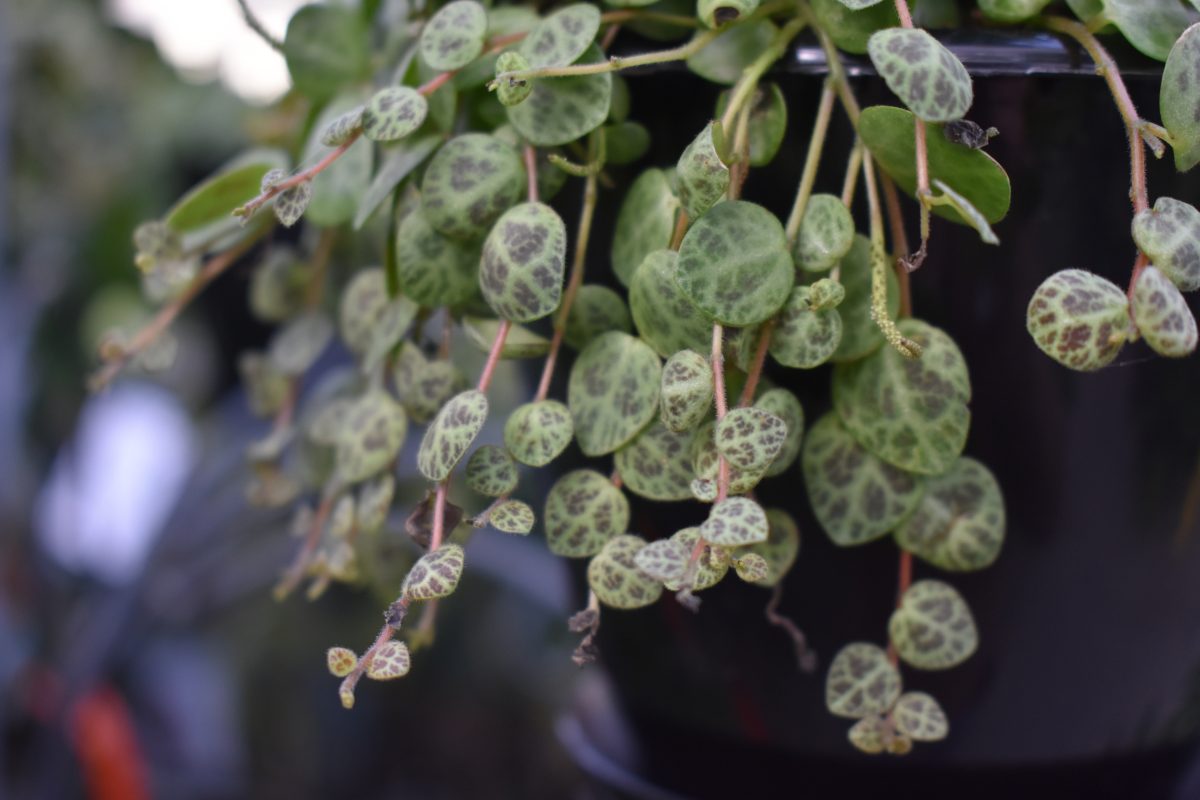
String of Turtles is a variety of trailing peperomia and makes a wonderful plant for small spaces. They grow beautiful trails, giving the effect that there is a lot of plant, without it taking up much room on a windowsill. These plants are slow growing and will tolerate a haircut well, so if they get too long you can simply trim them.
Light: These plants prefer bright, indirect light. Avoid prolonged exposure to full sunlight which can burn the leaves.
Water: Avoid overwatering this plant, they prefer to be drier than to be overwatered. Wait to water until the top inch of soil is dry, and then water thoroughly.
Soil: String of Turtles is a variety of Peperomia. They prefer a well-draining soil.
There are a few different kinds of plants that are string like, making them good for small spaces as well. Check out string of hearts, dolphins, and pearls!
Jade plant

Jade plants are beautiful, easy-going succulents. They are slow growing and easily propagated making them a great choice for small spaces.
Light: Jade plants prefer bright, indirect light. They will be happy in a south or west facing window.
Water: Jade plants store water in their leaves and can easily be overwatered. Allow the top inch of soil to dry out between waterings, and do not allow them to sit in water.
Soil: Jade plants are a type of succulent, so like them, they prefer a well-draining soil made for succulents.
succulents
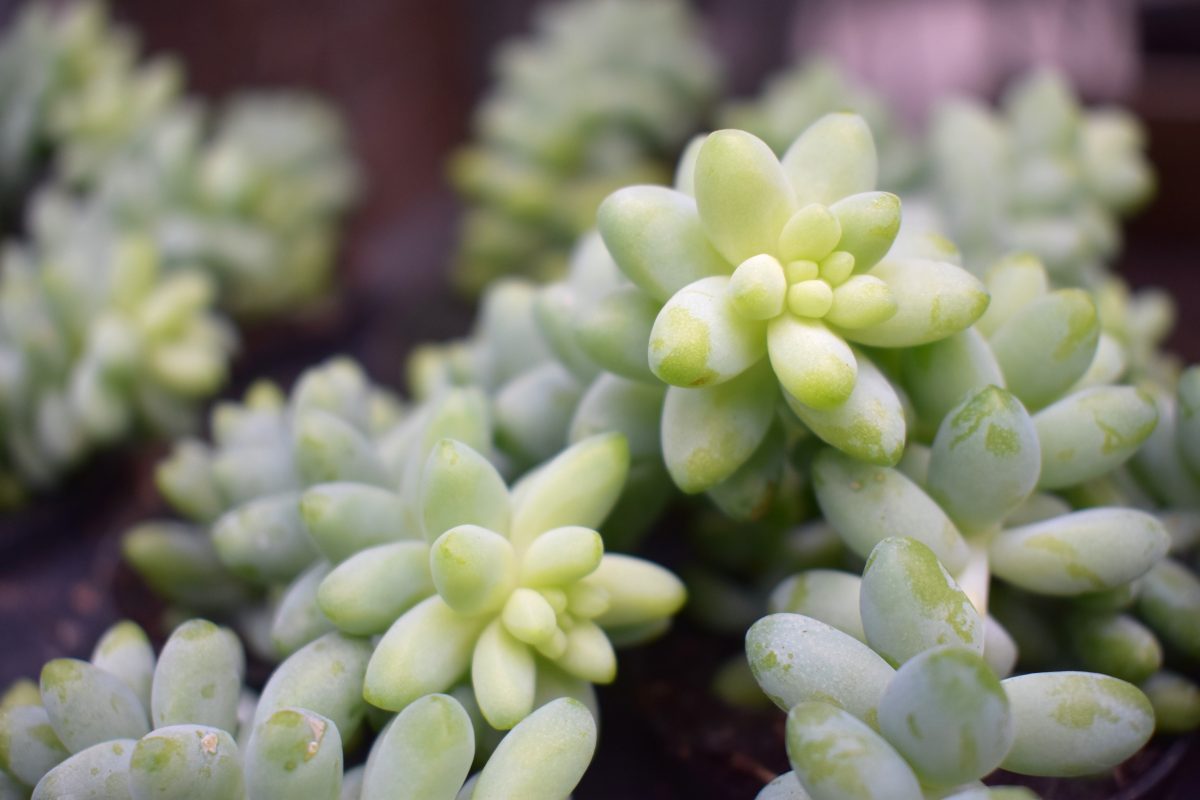
Succulents are slow growing, easy to care for plants that come in many different varieties making them perfect for a pop of plant in your little space.
Light: Succulents need plenty of bright sunlight to grow happy and healthy. A sign that your succulent is not getting enough light is “stretching” where the plant is searching for light. Proper light will also help keep the coloring bright.
Watering: Water more, less often. Succulents like to have their soil soaked and then dry out before watering again.
Soil: Well-drained soil is essential. Either a succulent/cacti soil, or a well-draining potting soil with perlite added is best.