Lady Slipper Orchid Care Tips

Light: These will grow best in bright, indirect light such as an east facing window. Avoid direct sun and avoid letting the orchid completely dry out in between waterings.

Water: Water thoroughly when the top 1-2″ of bark has dried. It is okay to temporarily soak your orchid, but it should not be left sitting in water as this will cause root rot.

Potting: Lady Slipper Orchids grow well in a mixture of fine bark, charcoal and perlite, sometimes with sphagnum moss added. 

Additionally: This is a unique and beautiful orchid that is a must have for orchid collectors.

Dendrobium Orchid Care Tips

Light: Dendrobiums prefer bright, indirect light. Too much direct sun can scorch the leaves, while too little light can inhibit blooming. 

Water: Water about once a week once the potting medium is dry. Avoid leaving your orchid sitting in water for too long as this can cause soggy roots and rot. 

Potting: Use a well-draining, course bark mix. dendrobiums prefer to be slightly pot-bound. 

Additionally: Some varieties (like nobile dendrobiums) need a winter dormancy to trigger spring blooms. Maintain 40-60% humidity for best growth. 

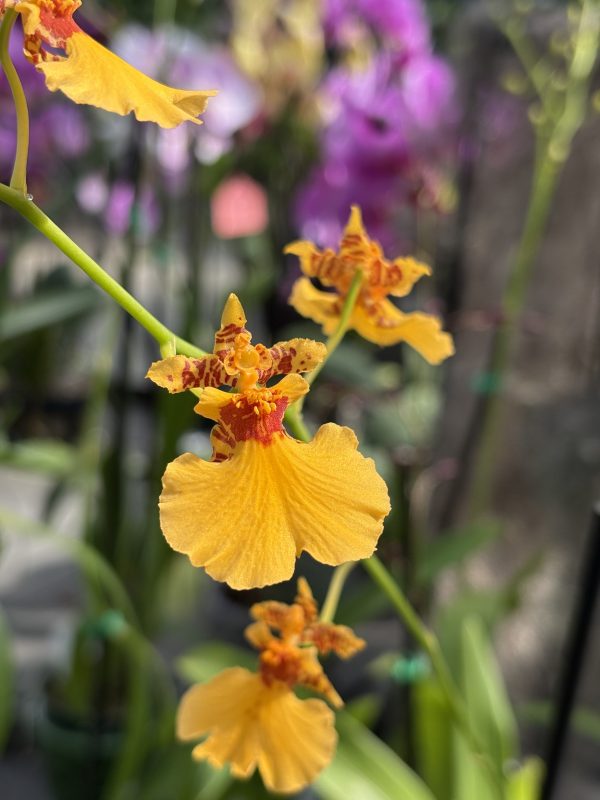
Oncidium Orchid Care Tips

Light: Provide bright, indirect light – an east or west facing window is ideal. 

Water: Keep consistent moisture; avoid letting the medium go completely bone dry, which can cause the pseudobulbs to dry out. 

Potting: Use a loose, well-draining orchid mix when repotting. Oncidium have thin, delicate roots that can dry up quickly. Add some sphagnum moss to the potting medium to help retail moisture. 


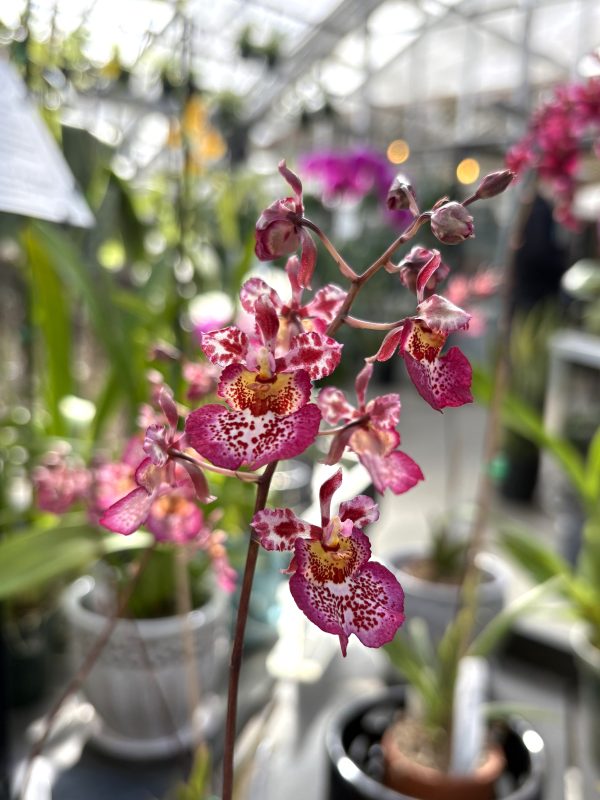
Tolumnia Orchid Care Tips

Light: Tolumnia orchids prefer bright light, generally a bit brighter than standard Oncidiums. 

Water: Allow the medium to mostly dry out between waterings to prevent root rot. 

Potting: Plant in a fast-draining breathable medium such as coarse orchid bark or a mix of charcoal, lava rock and some sphagnum moss. 

Additionally: Often called the “mini oncidiums”, tolumnias are a small, compact orchid very similar to the oncidium – the biggest difference is their compact size and the lack of prominent pseudobulbs.