
Here you will find a select list of some of our favorite annuals for moderate light to shade available at Longfellow’s throughout the growing season. For inventory status, please contact us as availability may change throughout the season.
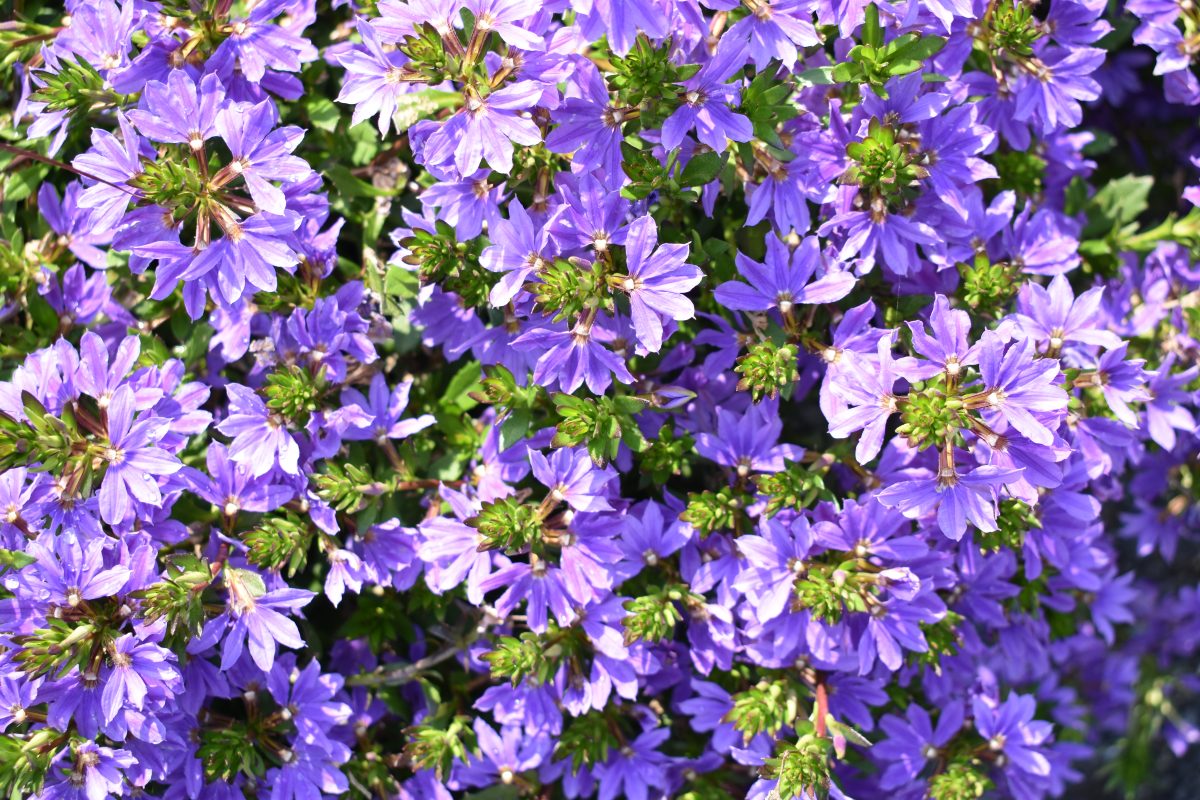
Shade Annuals
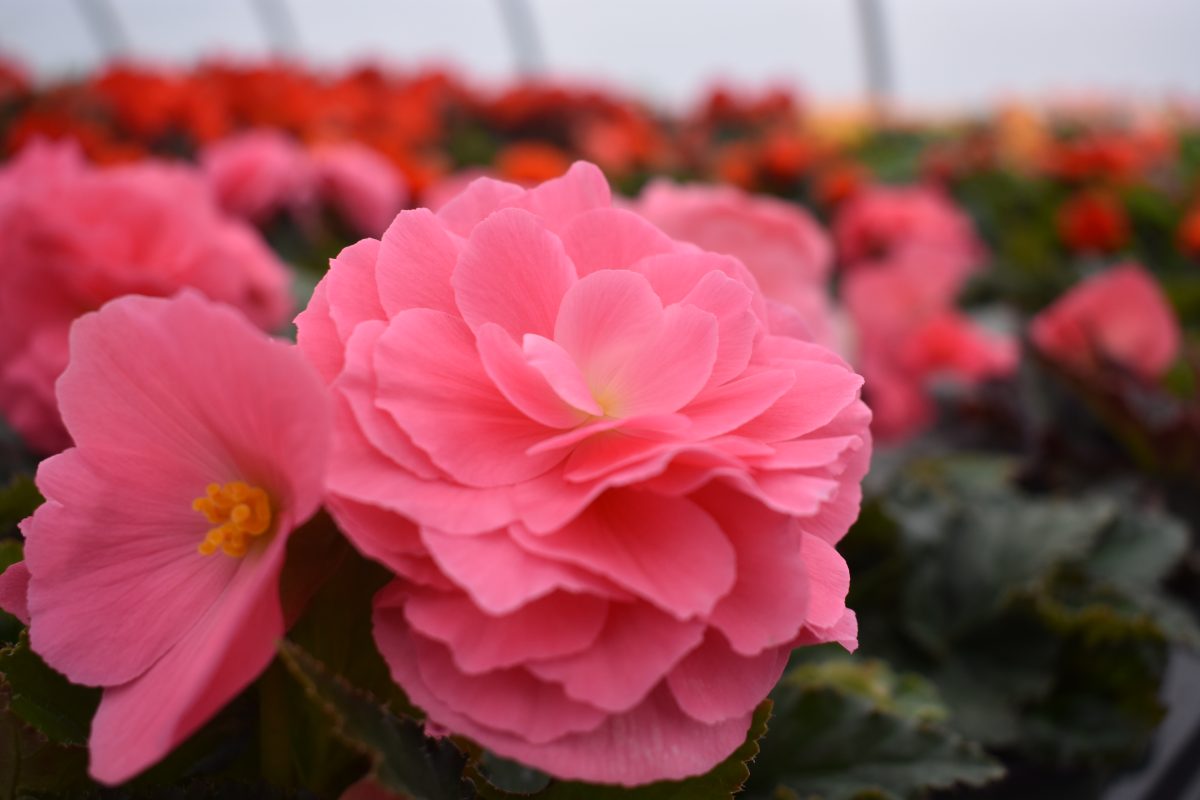
Begonias:
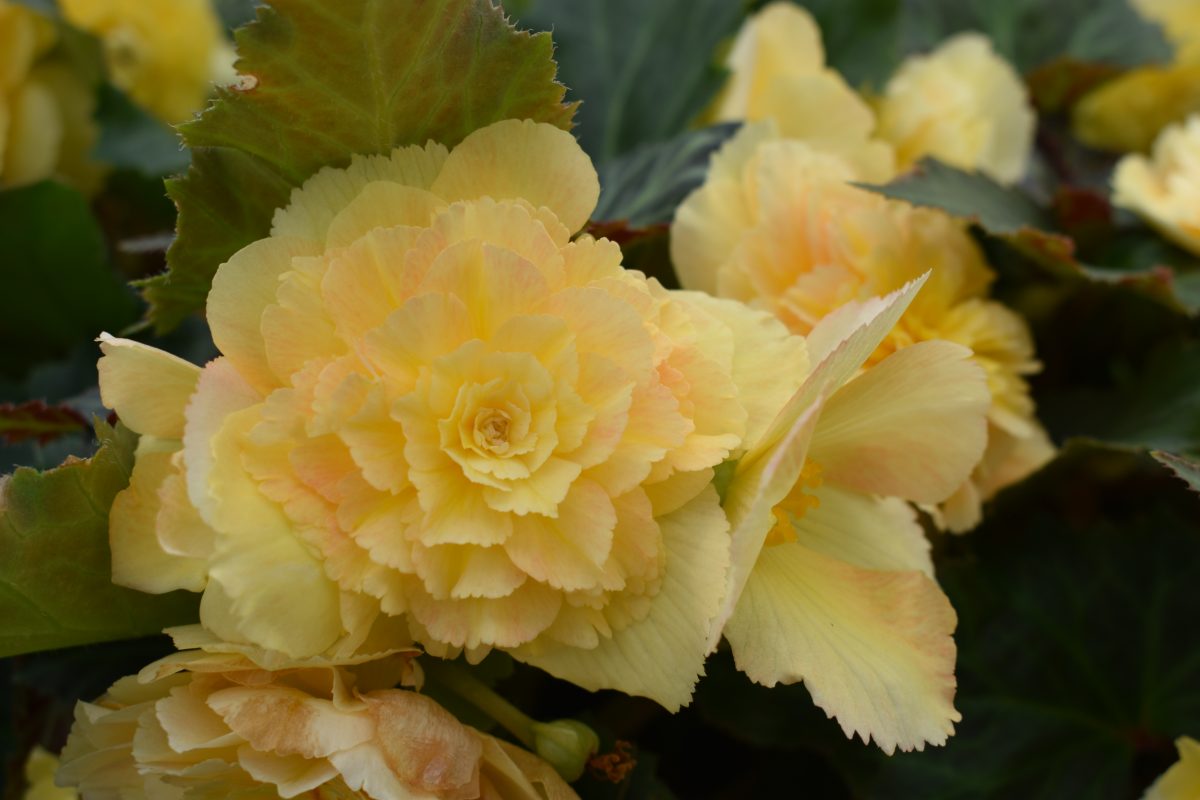
Begonias are known for their vibrant and often very large flowers and are an excellent choice for shaded areas. These plants come in a wide range of colors, shapes, sizes, and growing habits. They can be incredibly versatile in the garden and depending on the variety, tolerate a range of light levels. Generally, most begonias will thrive in partial sun/shade to full shade. They will grow best in an area that receives indirect light, or dappled light. We recommend knowing the particular variety of begonia that you are growing however, due to the fact that some varieties can tolerate more light than others, as mentioned earlier. Most often begonias will be used in garden beds, hanging baskets or containers.
Browallia:
An easy to care for and shade tolerant annual with vibrant blue or white star shaped flowers. Browallia features attractive, bushy growth with upright or slightly spreading stems. Grows best in an area with some morning sun, but mostly shade. Often used in hanging baskets, containers, and shady garden beds. Browallia are also known to attract pollinators.

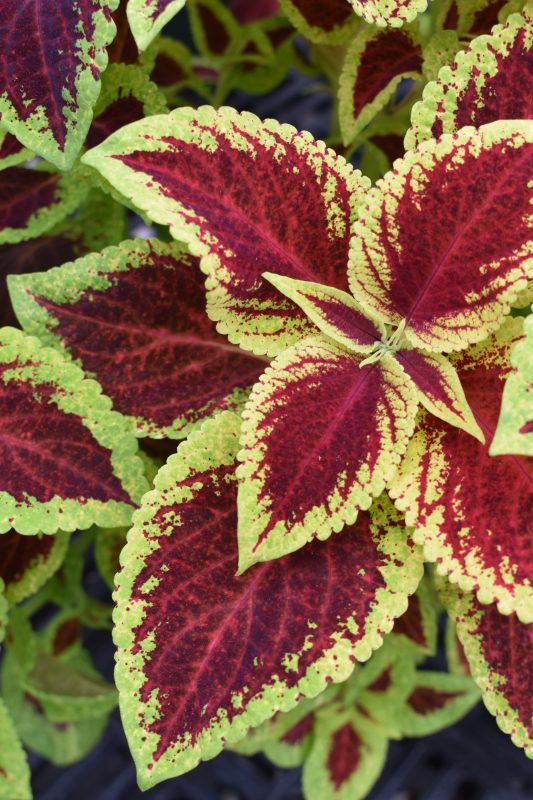
Coleus:
A vastly versatile plant that can be found in many different colors and styles. Depending on the variety, some coleus can actually tolerate moderate to full sun, but many varieties prefer shadier spots in the garden. Known more for its foliage than flowers, coleus always makes a bold statement in a garden or container. Coleus prefers moist but not soggy soil. It’s important to let some of the soil dry out in between waterings, as coleus can be prone to root rot if the soil stays too wet. Regular pruning or cutting back can help to keep coleus bushy and prevent it from becoming leggy.
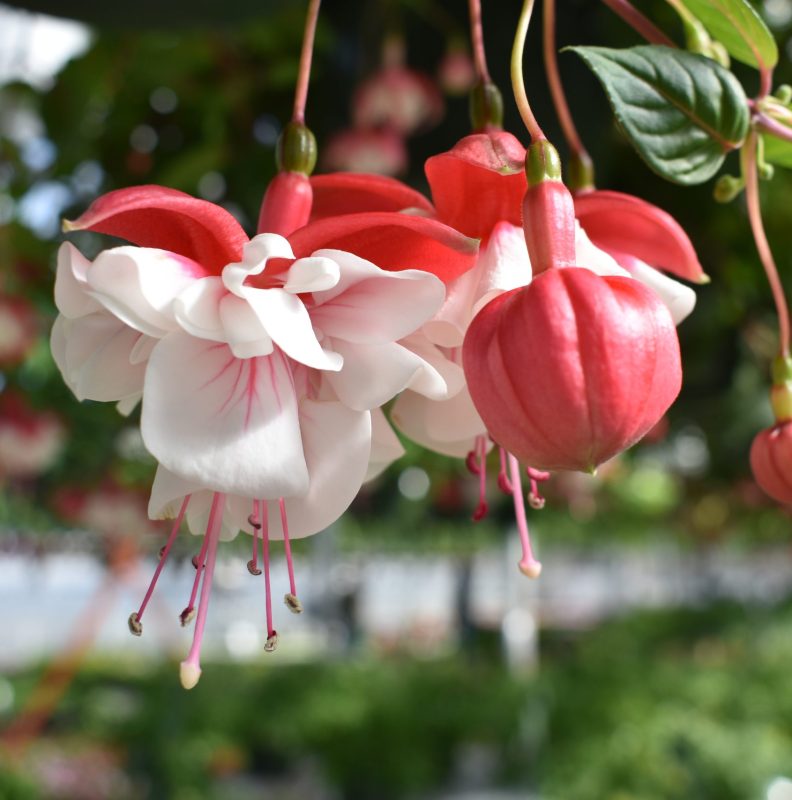
Fuchsia:
One of the most popular shade annuals. Fuchsia produces tubular flowers that come in a variety of colors. This plant is often seen growing in hanging baskets. The flowers will range in size depending on the variety but can often be described as having a teardrop or earring shape. Fuchsia will grow best in low to partial sun. Too much direct sun can easily burn the foliage, causing brown discoloration on the leaves and damage to the flowers. Shady, cooler spots are ideal. A hummingbird favorite!
Impatiens:
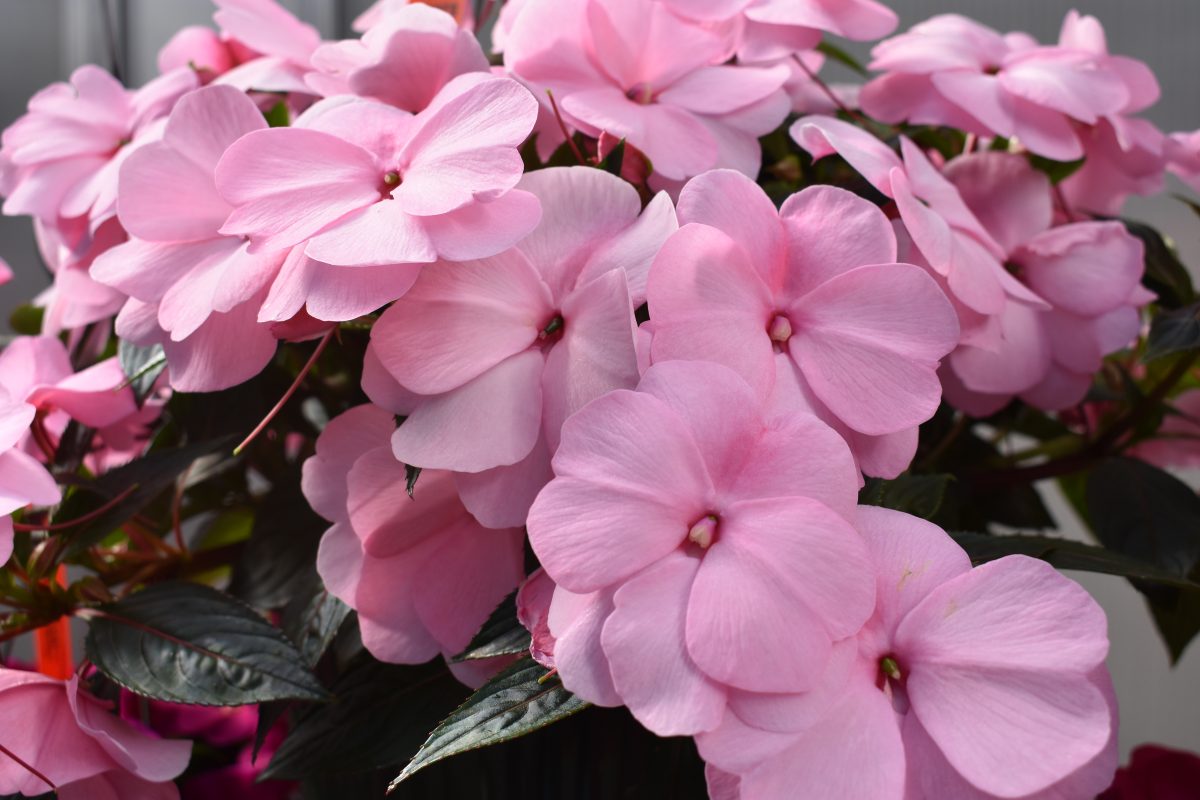
Impatiens thrive in partial to full shade. There are many different colors of impatiens, and they are a very popular choice for shaded areas. Impatiens are an excellent choice for low maintenance gardens and will provide a burst of color throughout the growing season. The growth habit of impatiens can range from compact, mounding forms to taller, vigorous plants, depending on the variety.
Torenia:
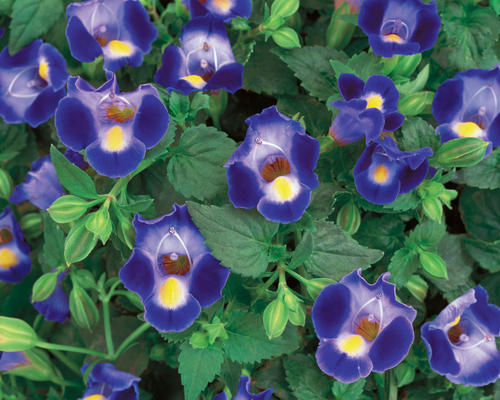
Also known as “wishbone flower”, this annual produces an abundance of delicate purple, blue, yellow, or white flowers. This particular species tolerate shade to partial shade quite well and can often be found in a trailing or mounding form. Plant torenia in a location that sees just a few hours of morning sun, as it can struggle in full sun or intense afternoon heat. Dappled afternoon light would be okay, too. Often used in hanging baskets or containers.
Moderate Sun Annuals
Begonia:
See ‘Shade Annuals” for information. Wax begonias, Illumination & Solenia varieties are excellent begonias for moderate light levels.
Boston Fern:
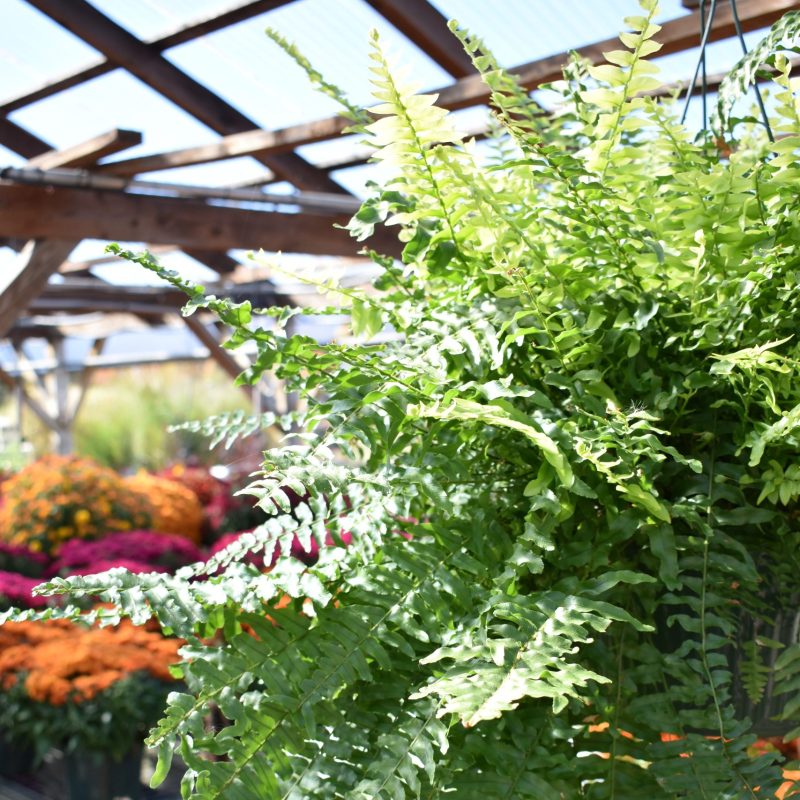
Ferns are a lovely option for covered porches or areas around the home that don’t see direct sun. Thriving best in low to moderate light, Boston Ferns will thrive during the summer and early fall, before frost sets in. Very easy to maintain outdoors, keep them watered as needed and provide a little fertilizer every few weeks to keep these lush plants happy and thriving. If desired, bring indoors before frost and care for as a houseplant, but these plants are more challenging to grow indoors than out.
Dusty Miller:
Also known most for its foliage, dusty miller is a beautiful annual with soft, silvery-gray foliage which adds a soft, textured contrast to your garden. Dusty Miller will grow best in moderate to full sun and grows in a mounded, upright form. Use in containers or in garden beds for borders and edging.

Ipomoea:
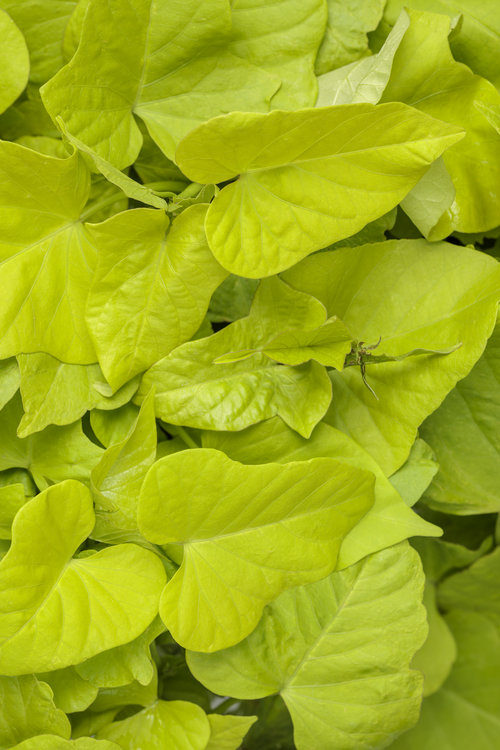
Sweet Potato Vine is known best for its vigorous, vibrant foliage. Grown as an annual in cooler climates, this plant will trail, spread, or climb depending on its environment. There are various colors to choose from with this plant, and it’s certainly going to make a statement in your garden. This plant will grow best in moderate to full sun, but it is quite adaptable. Most often used in gardens as a groundcover, or an accent plant in containers and hanging baskets. Beware when using this plant that due to its vigorous growth it can easily overtake other plants in close proximity. Factor in proper spacing to ensure all your flowers are thriving and visible. To note, if your Sweet Potato Vine is growing a little too large for your liking, it responds quite well to pruning and may be controlled with regular maintenance trimming.
Lamium:
Shade to partial shade, Lamium or “spotted dead nettle” is a versatile and shade loving plant. Some varieties are zone hardy, others are not. Lamium produces a lovely foliage and is a popular option as a ground cover with delicate blooms.

Lobelia:
A popular moderate sun annual, lobelia produces tiny but bold flowers on mounding and trailing plants. Available in a variety of colors in varying shades of blue, violet, and white, lobelia is a great option for hanging baskets or containers. Avoid hot, direct sun and complete shade for optimal growth
New Guinea Impatiens:
A slightly more “durable” family of impatiens that can tolerate moderate sun quite well. These plants grow upright and can vary in size. they will produce vibrant flowers in many different colors and are a favorite for containers, hanging baskets or garden beds. They can also be quite popular with hummingbirds too. Aim for about 3-4 hours of sun a day when growing New Guinea Impatiens. Avoid hot, afternoon sun to avoid leaf scorching (unless planting Sunpatiens, which tolerate more.)
